Whiplash or muscle strain after a collision
Understanding the difference between whiplash and muscle strain
After a road collision, many people feel pain in their neck and upper back. Two of the most common explanations are whiplash and muscle strain. While both can cause significant discomfort, they are different conditions with different recovery paths. Knowing which one you are dealing with can help you manage your symptoms and decide what to do next.
Whiplash happens when the head is thrown forward and then backward with force, stretching the soft tissues of the neck beyond their normal range. This rapid movement can injure the muscles, ligaments, and tendons. Muscle strain, on the other hand, is a tear or overstretching of a muscle or its tendons, often caused by sudden contraction or awkward positioning during the collision. Both can produce neck pain, headaches, and reduced mobility, but the underlying damage is not the same.
Common symptoms and how they differ
Whiplash symptoms often appear several hours or even a day after the collision. The pain may start as a dull ache in the neck and gradually become sharper. People with whiplash frequently report headaches that begin at the base of the skull, stiffness when trying to turn the head, and sometimes tingling or numbness in the arms. The recovery period for whiplash can be longer, sometimes lasting weeks or months, especially if the injury is moderate or severe.
Muscle strain typically causes immediate pain at the moment of injury. The neck muscles may feel tight, sore, and tender to the touch. Movement is often limited, but the pain tends to be localised to the specific muscle group that was stretched or torn. Unlike whiplash, muscle strain usually improves within a few days to a couple of weeks with rest and gentle care. Headaches are less common with a pure muscle strain, though they can occur if the neck muscles are tight enough to pull on the head.

It is possible to have both conditions at the same time. A collision that is severe enough to cause whiplash can also strain the neck muscles. In such cases, symptoms can overlap and make it harder to tell which injury is dominant. A medical examination is the only reliable way to get a clear diagnosis.
Why the distinction matters for your recovery
Understanding whether you have whiplash, a muscle strain, or both affects how you manage your symptoms. For a muscle strain, rest and gentle stretching are often enough to encourage healing. Applying ice packs in the first 48 hours can reduce swelling, followed by heat packs to relax tight muscles. Over-the-counter pain relief may help, but it is always better to check with a healthcare professional before taking anything.
Whiplash often requires a more structured approach. While rest is important in the first few days, prolonged inactivity can slow recovery. Gentle movement and specific exercises recommended by a physiotherapist or doctor are usually advised. Wearing a soft neck collar for more than a day or two is no longer recommended, as it can weaken the neck muscles and delay healing. Instead, keeping the neck moving within a pain-free range helps maintain flexibility and strength.
In both cases, keeping a symptom diary can be useful. Noting when the pain started, what makes it better or worse, and how it changes over time gives a clearer picture of your recovery. This information is also helpful if you later need to discuss your injury with a legal professional or provide medical records as part of a claim.
The role of medical records and examinations
After a collision, seeing a doctor or visiting a minor injuries unit is a sensible step, even if your symptoms seem mild at first. A medical examination can identify signs that point to whiplash rather than a simple strain. The doctor may check your range of motion, test for tenderness in specific areas, and ask about the nature of your pain. If needed, they might arrange for imaging such as X-rays or an MRI to rule out fractures or more serious injuries.
Your medical records become an important document if you decide to pursue a whiplash injury claim. They provide a professional account of your injury, its severity, and the treatment you received. Without these records, it can be harder to demonstrate the impact the injury has had on your daily life and your recovery period. Keeping copies of any referrals, prescriptions, or physiotherapy notes is also wise.

When to consider a whiplash injury claim
Not every collision leads to a claim. But if the accident was caused by someone else's negligence and you have suffered a genuine injury, you may be entitled to compensation. A whiplash injury claim is a legal process that seeks to recover damages for your pain, any financial losses, and the disruption to your everyday activities.
Before starting a claim, it helps to have a clear diagnosis. A doctor's report that distinguishes whiplash from a minor muscle strain strengthens your case. The severity of your symptoms, how long they last, and whether they affect your ability to work or carry out normal tasks all play a role in determining the value of a claim.
Keeping a symptom diary is particularly useful here. Details about headaches, neck pain, reduced mobility, and any time off work create a record of how the injury has affected you. Photographs of bruising or swelling, if visible, can also support your claim. The more evidence you have, the easier it is to present a clear picture of your experience.
How legal support can help
Navigating a whiplash injury claim on your own can be complicated. There are strict time limits, rules about how evidence must be presented, and negotiations with insurance companies that can be stressful. Legal professionals who specialise in personal injury can guide you through the process, handle the paperwork, and advise on what information is most relevant to your case.
Scotland Claims Injury Lawyers helps people in Scotland pursue compensation for whiplash and other personal injuries through no win no fee legal support. If you are considering a claim, speaking with a legal team that understands the Scottish legal system can make the process clearer and less overwhelming. They can review your situation, explain what to expect, and take care of the steps involved so you can focus on your recovery.
Practical steps after a collision
Whether your injury turns out to be a muscle strain or whiplash, there are practical things you can do from the start. Seek medical attention promptly, even if you feel shaken but not seriously hurt. Follow the advice your doctor gives you, and do not rush back to normal activities if your body is still healing. Rest, gentle movement, and patience are often the most effective tools.
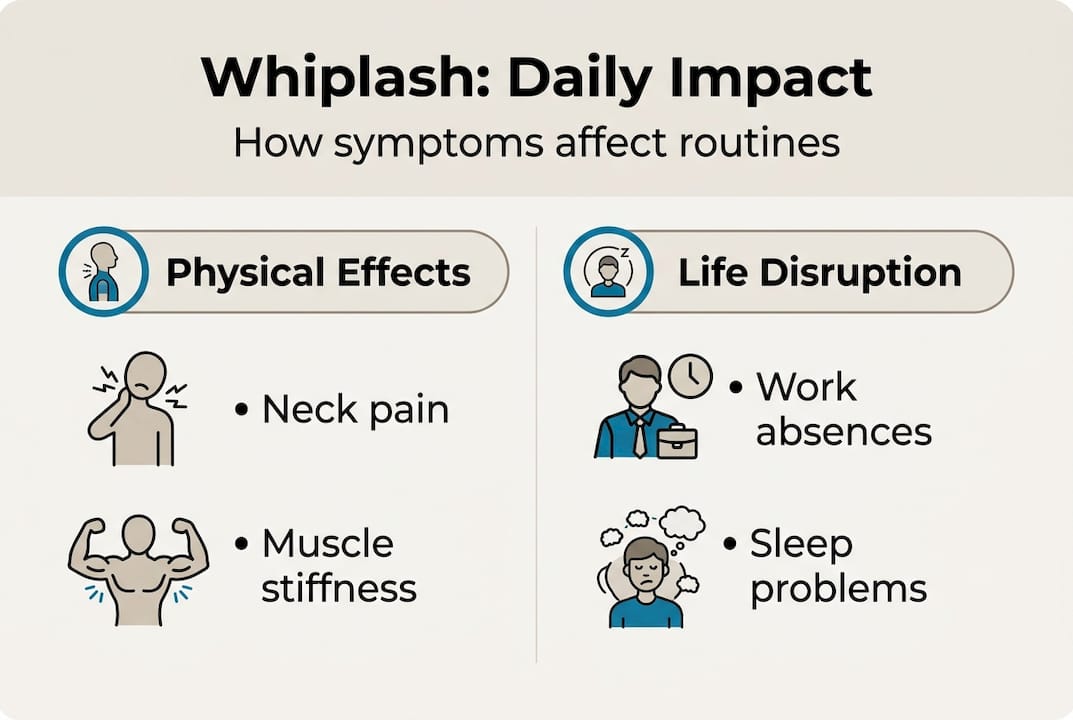
If your symptoms do not improve within a few weeks, or if they get worse, go back to your doctor. Sometimes what seems like a strain can develop into a more persistent condition that needs specialist treatment. Early intervention can prevent long-term problems and help you return to your normal routine sooner.
For anyone dealing with ongoing pain from a road collision, understanding the difference between whiplash and muscle strain is a useful first step. It gives you a better sense of what to expect and how to manage your recovery. And if the accident was not your fault, knowing your options around a whiplash injury claim can help you decide whether to seek the compensation you may be entitled to. Scotland Claims Injury Lawyers can provide the legal support you need to move forward with confidence.
Corrections
Spot something wrong? Send it to the desk and it gets fixed in the open.